
Introduction:
Setting the Scene: What Was DL275 Scheduled to Do:
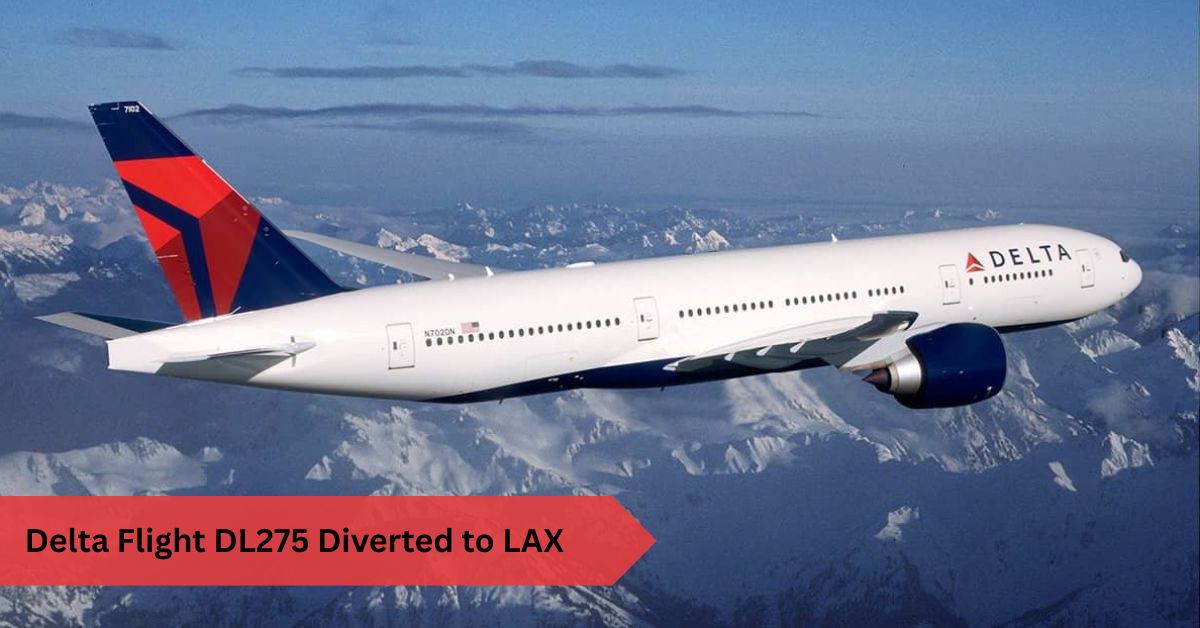
Delta Air Lines Flight DL275 departed from Detroit Metropolitan Wayne County Airport (DTW), bound for Tokyo Haneda (HND). Operated by the advanced Airbus A350-900, the 13-hour route connects major hubs for business and leisure travelers. The flight began routinely—until a sudden technical issue changed everything midair.
Delta Flight DL275 Diverted to LAX: Delta Air Lines Flight DL275 from Detroit to Tokyo safely diverted to Los Angeles on May 28, 2025, after a technical issue with one engine’s anti-ice system. The crew acted swiftly, ensuring passenger safety and highlighting Delta’s strong commitment to reliability and transparent communication.
Why the Diversion Made Headlines:
On May 28, 2025, DL275 experienced a malfunction in one engine’s anti-ice system while flying over the Pacific Ocean. Because such failures can lead to ice buildup in high-altitude conditions, the pilots decided to divert to Los Angeles International Airport (LAX). The quick, safety-driven decision made global news, raising questions about what failed, how the crew responded, and what this means for aviation safety.
In This Article, we discuss “Delta Flight DL275 Diverted to LAX.”
Flight Details and Route:
Aircraft Type and Specifications:
The Airbus A350-900, powered by Rolls-Royce Trent XWB engines, is among Delta’s most efficient and technologically advanced aircraft. Its composite materials, long-range capabilities, and next-generation cockpit make it ideal for intercontinental travel. Still, like any complex system, it relies on the flawless operation of key components such as the engine anti-ice system.
Planned Route: Detroit to Tokyo:
DL275’s route crosses frigid northern airspaces and vast oceanic zones with limited diversion options. At 35,000–40,000 feet, temperatures can drop below –50°C. Over such remote stretches, even minor malfunctions require decisive action from the flight crew.
The Incident: Anti-Ice System Failure:
What Is an Anti-Ice System?
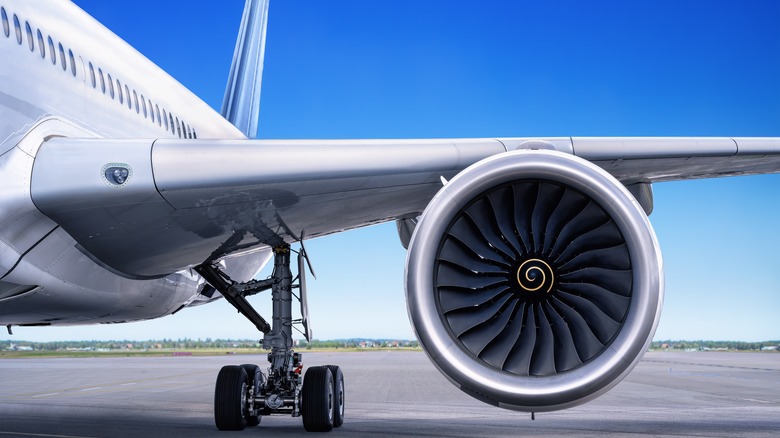
The anti-ice system uses hot bleed air from the engine compressor to keep vital components—like inlets, sensors, and fan blades—free from ice. Ice accumulation can disrupt airflow, distort readings, and endanger the engine’s integrity.
How It Failed on DL275:
Midway through the Pacific, cockpit instruments showed abnormal readings from the right engine’s anti-ice valve. The system no longer regulated temperature correctly, signaling a risk of icing. Following safety protocols, the pilots assessed the situation and coordinated with Delta’s operations center before opting for a diversion.
Crew Response and Communication:
The cockpit crew acted quickly and calmly. After notifying air traffic control and passengers, they adjusted altitude and fuel management for a safe approach to Los Angeles. Their composure under pressure demonstrated why Delta crews are trained to handle every scenario methodically.
Decision to Divert:
Safety First:
A malfunctioning anti-ice system is not catastrophic on its own, but it can become dangerous if ignored. Continuing across the Pacific with one compromised engine system was out of the question. The crew prioritized safety over schedule—an approach consistent with Delta’s strict operational standards.
Why LAX Was Chosen:
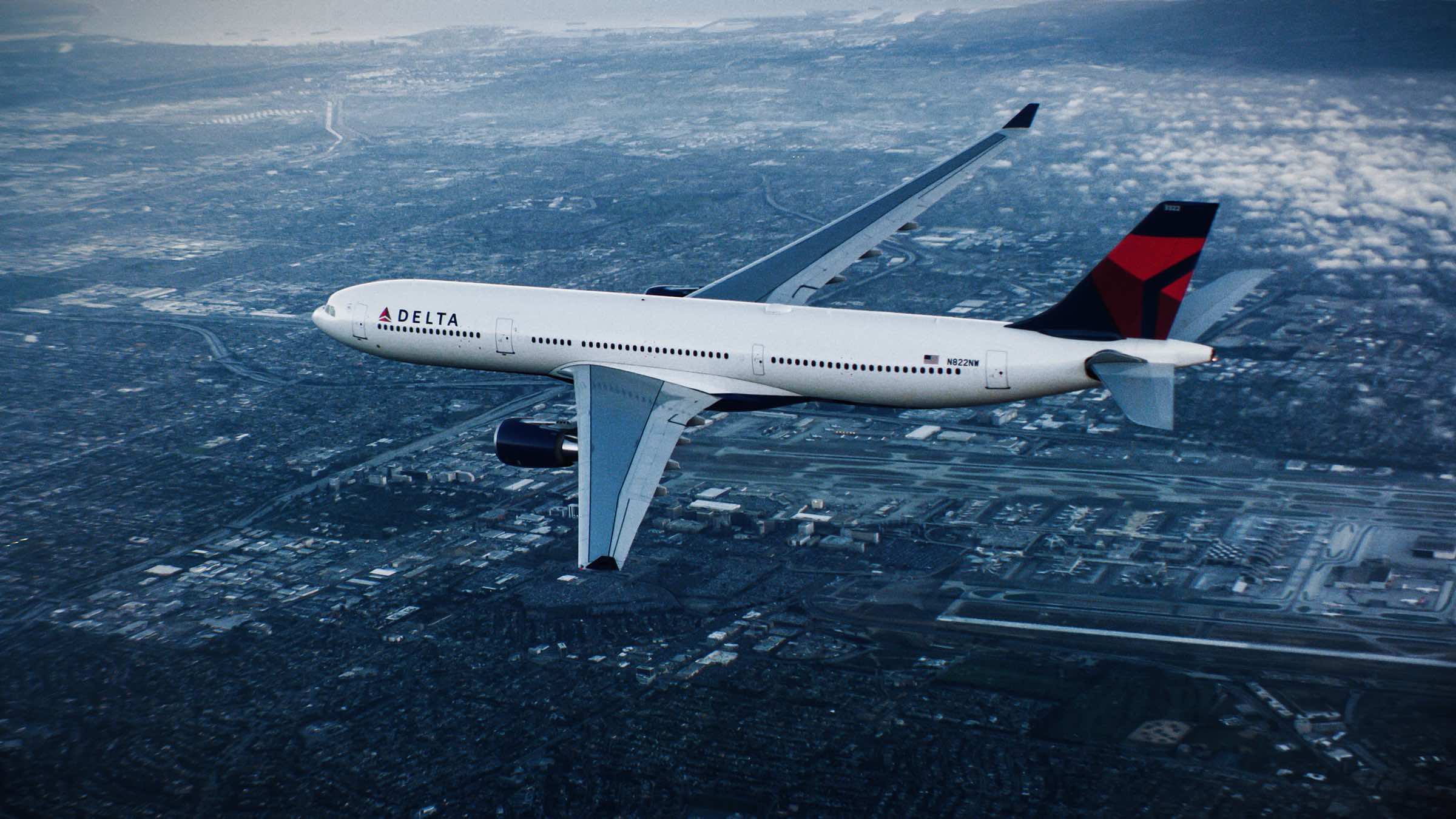
Los Angeles International Airport provided ideal conditions: long runways, maintenance facilities, and full Delta service support. Other possible alternatives—Anchorage or Seattle—were less suitable based on the aircraft’s location and fuel considerations. LAX offered immediate technical assistance and smooth passenger processing.
Passenger Experience:
In-Flight Communication:
Transparency defined the flight’s atmosphere. Once the issue was identified, the captain announced that the aircraft would safely divert to Los Angeles for maintenance. Passengers appreciated the straightforward explanation, which reduced anxiety and built confidence in the crew’s professionalism.
Flight attendants supported this tone by calmly addressing concerns, offering updates, and ensuring everyone remained comfortable during descent. The consistency between cockpit and cabin communication turned a potentially stressful event into a lesson in reassurance.
Comfort and Delay Management:
Delta’s onboard team maintained regular service and empathy. Passengers received refreshments, assistance with rebooking queries, and comfort amenities to ease the delay. Upon landing, Delta’s LAX staff arranged hotels and new itineraries for those traveling to Tokyo or beyond.
Many travelers later praised the airline’s handling on social media, noting that the crew’s calm communication prevented panic and demonstrated Delta’s reliability during unforeseen circumstances.
Psychological Side of Diversions:
Diversions can cause tension, especially for passengers unfamiliar with aviation procedures. Experts emphasize that honest, measured communication is the best remedy for fear. Delta’s ability to balance technical accuracy with compassion reinforced passenger trust—a critical factor in maintaining the airline’s strong reputation.
Arrival at LAX:
Landing and Inspection:
DL275 landed safely and smoothly at LAX. After the shutdown, maintenance teams, joined by Rolls-Royce engineers, began a detailed inspection. They found a faulty anti-ice valve, which was replaced and recalibrated. Subsequent engine tests confirmed normal performance before the aircraft reentered service.
Passenger Handling:
Delta coordinated hotel stays, meals, and rebookings for every traveler. Ground staff guided passengers efficiently through customs and customer-care counters. Despite delays, the overall response highlighted Delta’s operational maturity and passenger-care culture.
Operational and Financial Impact:
Cost of Diversion:
Each international diversion can cost airlines hundreds of thousands of dollars in fuel, maintenance, and passenger compensation. Yet Delta’s decision showed that safety always outweighs financial loss. The swift and transparent approach helped maintain long-term customer loyalty.
Schedule and Crew Impact:
The event required flight-schedule adjustments and additional crew rest periods. Thanks to Delta’s robust U.S. network, operational disruptions were minimal. This incident illustrated the importance of flexible scheduling and cross-team coordination.
Reputation and Trust:
Instead of harming Delta’s image, the diversion strengthened it. Passengers publicly commended the airline’s decision-making, proving that professionalism under pressure earns enduring trust.
Technical Overview:
Engine Systems and Redundancy:
The Rolls-Royce Trent XWB engines feature advanced redundancies, ensuring continued safe operation even with component issues. However, anti-ice failures are critical because they affect temperature regulation. Delta’s engineers later verified that the malfunction was purely mechanical—an isolated valve defect quickly corrected at LAX.
Advanced Predictive Maintenance:
Modern aircraft send live telemetry data to airline control centers. Delta’s predictive-maintenance system analyzes this data to detect irregularities. Information gathered from DL275 will now improve Delta’s global fleet monitoring, helping identify similar faults before they occur.
By turning real-time data into actionable insights, Delta demonstrates how AI and analytics enhance flight reliability, reduce downtime, and elevate safety standards across the industry.
Aviation Safety and Regulation:
What Rules Apply to Such Failures:
Both the FAA and EASA require immediate evaluation of any system affecting safe flight. Delta’s crew followed these regulations precisely, showcasing how strict adherence to international safety laws prevents incidents from escalating.
Comparing Delta to Industry Norms:
Delta’s conservative safety culture sets a global benchmark. Some carriers might attempt to continue flights under reduced performance conditions, but Delta’s zero-risk policy reinforces its reputation as one of the world’s safest airlines.
Predictive Maintenance and AI:
Predictive maintenance, machine learning, and big data analytics are redefining safety. Airlines that invest in these systems can anticipate and prevent mechanical issues, reducing diversions and delays while maintaining public trust.
Lessons and Takeaways:
For Airlines and Manufacturers:
- Improve redundancy in critical engine systems.
- Use predictive maintenance for early warnings.
- Ensure rapid access to spare parts globally.
- Continue comprehensive crew training for quick decision-making.
For Passengers:
- Keep essentials in carry-on bags for unexpected diversions.
- Use airline apps for live updates.
- Remember that diversions prioritize safety above convenience.
For Regulators:
- Encourage transparent data sharing among airlines and manufacturers.
- Update reporting standards to enhance technical analysis and oversight.
Wider Impact on the Aviation Industry:
A Wake-Up Call for Long-Haul Carriers:
The DL275 diversion reminded airlines that vigilance must never wane. Even the most reliable aircraft can face unexpected issues, so preparation and rapid response are vital. Competitors operating long-haul routes across oceans are reviewing maintenance and training procedures in light of the event.
Public Perception and Trust:
The public reaction was overwhelmingly positive. Travelers expressed appreciation that safety took precedence over punctuality. Incidents like this reinforce confidence in modern aviation and illustrate that diversions are signs of caution—not danger.
Media Lessons:
Accurate reporting proved crucial. Early coverage sometimes exaggerates flight issues, but Delta’s prompt statements clarified facts and prevented misinformation. Aviation experts lauded the airline for its transparency and professionalism.
Future of Aviation Safety:
Emerging technologies—AI-driven maintenance, real-time monitoring, and digital twins—promise to detect risks before they manifest. As innovation advances, the goal is clear: eliminate in-flight technical surprises. DL275’s diversion becomes part of a broader narrative driving smarter, safer skies.
Media and Public Response:
:max_bytes(150000):strip_icc()/GettyImages-1216169110-04c78b6b59e9490ea719789ef58c55f8.jpg)
News Coverage:
Aviation outlets and mainstream media quickly picked up the DL275 story. Initial reports emphasized potential danger, but later confirmed the success of safety protocols. The incident became a model case study for crisis management and operational discipline.
Passenger Testimonials:
Passengers shared photos and messages commending Delta’s transparency and empathy. Such authentic feedback strengthened the airline’s image far more effectively than any marketing campaign.
Delta’s Statement:
Delta confirmed that the diversion was precautionary and that at no point was passenger safety compromised. The airline thanked its customers for their patience and reaffirmed its commitment to excellence and safety above all else.
Conclusion:
The diversion of Delta Flight DL275 to Los Angeles serves as a reminder that true aviation excellence is measured not by avoiding problems but by handling them flawlessly. A minor mechanical malfunction was met with professionalism, technical skill, and transparent communication.
Delta’s timely response protected hundreds of lives, reaffirmed public trust, and advanced the broader conversation about predictive safety and maintenance technology. While costly, the incident showcased aviation at its best—calm, calculated, and uncompromisingly safe.
Ultimately, DL275 proved a timeless truth of flight: every decision made in the sky is guided by one priority—safety first, always.
FAQs:
1. What caused Delta Flight DL275 to divert?
A malfunction occurred in one aircraft’s engine anti-ice systems. To avoid any risk of ice buildup, the pilots diverted to Los Angeles. This quick precautionary decision ensured passenger safety and prevented potential engine complications mid-flight.
2. Was anyone injured during the incident?
No passengers or crew were injured. The diversion was a precautionary measure, and the aircraft landed without incident. Delta’s crew handled the situation smoothly, maintaining calm and order throughout the process.
3. How serious is an anti-ice system failure?
It’s serious if left unaddressed. Ice buildup can impair engine performance and safety, which is why immediate action is taken. Even a minor fault can escalate quickly, making diversions like this a vital part of aviation safety.
4. How much did this diversion cost Delta?
Such diversions incur costs of several hundred thousand dollars, including fuel, maintenance, and rebooking expenses. While expensive, these safety-first actions reflect Delta’s policy to prioritize human life over costs.
5. How do airlines prevent similar issues?
Through regular maintenance, upgraded sensors, and predictive monitoring using advanced systems. Modern AI diagnostics now help airlines detect and fix problems before they become flight risks.
Read More:
How Much Is an Oil Change? A Complete Guide
Orange Spot on MacBook Screen: Causes, Fixes, and Prevention
Lossless Scaling Keyboard Shortcuts: The Complete Guide
Resume with No Experience: Simple Steps to Fix It
Toyota vs Honda Reliability: A Complete Guide