
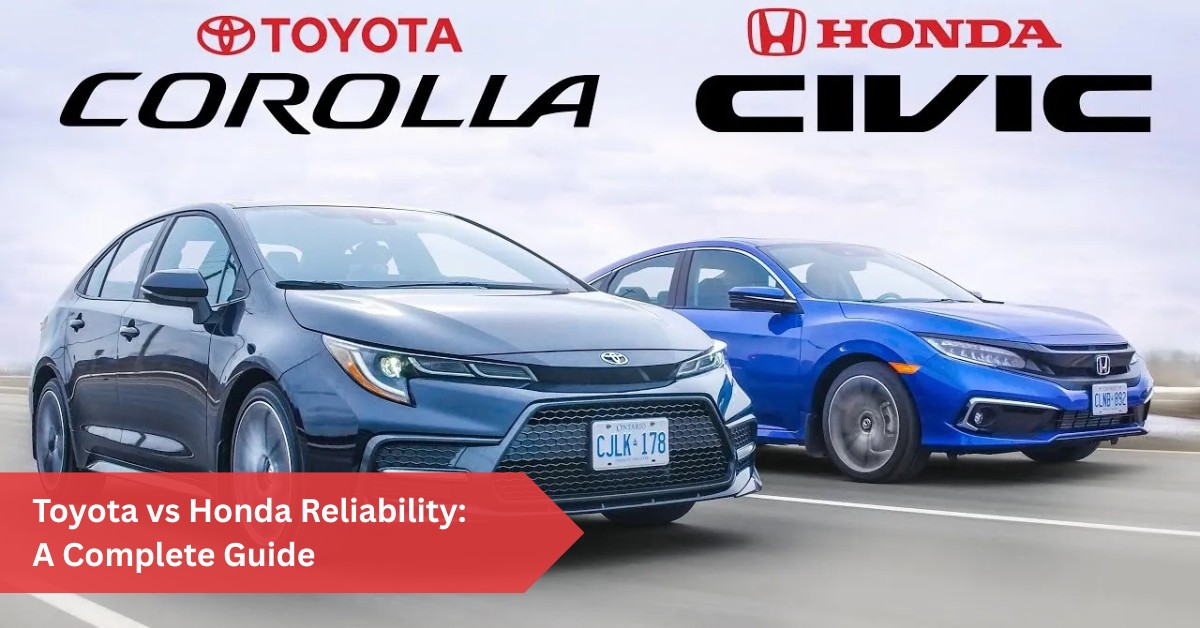
Introduction:
When it comes to reliable cars, two Japanese giants dominate the conversation—Toyota and Honda. For decades, these brands have been the benchmarks for dependability, affordability, and long-term ownership satisfaction. Their reputations extend far beyond Japan, reaching the United States, Europe, Asia, Africa, and the Middle East.
When comparing Toyota vs Honda reliability, both brands are known for long-lasting cars, low maintenance costs, and strong resale value—Toyota often leads in durability and hybrids, while Honda delivers sporty handling with dependable performance.
Whether you’re buying your very first car, looking for a dependable family vehicle, or searching for a truck or hybrid with proven performance, the question often arises: Toyota or Honda—who builds the more reliable car?
The debate is one of the most frequently discussed topics among auto enthusiasts, buyers, mechanics, and industry experts. Toyota is often seen as the gold standard in reliability, with vehicles that seem to run forever if properly maintained. Honda, on the other hand, is celebrated for blending driving excitement with durability, producing cars that feel lively and still go the distance.
This complete guide explores every angle of Toyota vs Honda reliability: from brand history and philosophies to maintenance costs, long-term durability, resale value, and model-by-model comparisons. By the end, you’ll not only know which brand holds the edge but also which one best suits your personal driving needs.
In This Article, we discuss “Toyota vs Honda Reliability.”
A Brief History of Toyota and Honda:
Toyota: Engineering for Longevity:
Founded in 1937, Toyota quickly became a global leader in the automobile industry. Its game-changing Toyota Production System (TPS) revolutionized manufacturing, focusing on lean production and rigorous quality control. Toyota’s approach emphasized durability and consistency, creating cars that could reliably surpass 200,000 miles with proper care.
Iconic models like the Corolla and Camry established Toyota’s reputation worldwide. The Corolla alone has sold over 50 million units, becoming the best-selling car in history. Toyota’s introduction of hybrids with the Prius in 1997 set another global benchmark, proving that innovation and dependability can go hand in hand.
Honda: Precision and Performance:
Honda began in 1948 as a motorcycle manufacturer. Its early focus on precision engineering and performance carried over when it entered the automobile market in the 1960s. Models like the Civic (1972) and Accord (1976) quickly earned loyal followings thanks to their fuel efficiency, sporty handling, and long-lasting engines.
Honda’s VTEC (Variable Valve Timing and Lift Electronic Control) technology, introduced in the late 1980s, showcased its dedication to combining efficiency with spirited performance. Honda drivers didn’t just want cars that lasted—they wanted cars that were enjoyable to drive. This philosophy still shapes the brand’s reputation today.
Philosophical Differences:
- Toyota: Prioritizes conservative engineering, safety, and proven technology.
- Honda: Leans toward performance innovation and advanced powertrains, even if it means occasional reliability hiccups.
Measuring Toyota vs Honda Reliability: Key Metrics:
Reliability isn’t just about how long a car lasts—it’s about the ownership experience over time. Experts measure it using several metrics:
- Annual Maintenance Costs – Average yearly expenses to keep the vehicle in top shape.
- Severe Repair Probability – The likelihood of facing expensive, major repairs.
- Longevity – Chances of reaching 200,000–300,000+ miles.
- Resale Value – How well the vehicle holds its market price after years of ownership.
- Industry Rankings – Consumer Reports, J.D. Power, and RepairPal scores.
Consensus:
- Toyota often edges out Honda in long-term dependability.
- Honda tends to have slightly lower maintenance costs.
- Both brands outperform most competitors in reliability rankings.
Toyota Reliability in Depth:
Why Toyota is Synonymous with Reliability:
Toyota’s cars are legendary for being nearly indestructible. The Camry, Corolla, RAV4, Tacoma, and 4Runner consistently rank among the most reliable vehicles in the world.
Key reasons behind Toyota’s reputation:
- Conservative engineering: Toyota avoids untested technologies.
- Hybrid expertise: The Prius and RAV4 Hybrid set industry standards.
- Rigorous quality control: Each car is thoroughly tested before reaching the market.
Toyota Strengths:
- Longevity: Many Toyota cars easily last 15–20 years.
- Hybrid leadership: Prius, RAV4 Hybrid, and Camry Hybrid dominate.
- Resale value: Corolla and Tacoma hold 60%+ of value afterr 5 years.
- Lower severe repair rate: Less likely to face catastrophic engine or transmission failures.
Toyota Weaknesses:
Even Toyota isn’t flawless:
- Older 2AZ-FE engines had oil consumption issues.
- Certain Camry transmissions in the 2000s faced failures.
- Some infotainment systems lag behind competitors.
Honda Reliability in Depth:
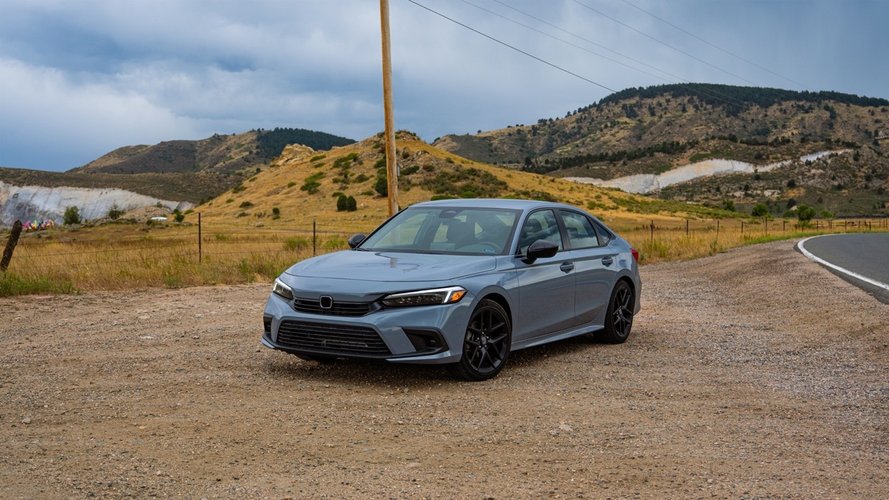
Honda’s Dependable Engineering:
Honda has earned its place as a global reliability leader, particularly with engines. Cars like the Civic, Accord, and CR-V are famous for running beyond 200,000 miles when maintained properly.
Honda Strengths:
- Engines: Naturally aspirated Honda engines are legendary for longevity.
- Sporty driving: Hondas generally offer sharper handling than Toyotas.
- SUV reliability: The CR-V and Pilot consistently perform well.
- Lower maintenance costs: Annual upkeep averages ~$428 (slightly below Toyota).
Honda Weaknesses:
Honda’s push into turbos and CVTs has introduced new challenges:
- Turbo oil dilution issues in certain Civics and CR-Vs.
- Infotainment glitches across several models.
- CVT concerns in newer vehicles.
Head-to-Head: Toyota vs Honda Reliability:
| Aspect | Toyota | Honda |
| Reliability Ranking | Higher | Slightly Lower |
| Annual Maintenance | ~$441 | ~$428 |
| Severe Repair Rate | Lower | Slightly Higher |
| Longevity | 250,000+ miles are more common | Still strong but less frequent |
| 5-Year Resale | Corolla ~62%, Camry ~58% | Civic ~60%, Accord ~56% |
| Weaknesses | Oil use, old transmissions | Turbo oil dilution, CVT, infotainment |
Reliability by Vehicle Segment:
Small Cars: Corolla vs Civic:
- Corolla = safer, longer-lasting, better resale.
- Civic = sportier, more fun, efficient.
Midsize Cars: Camry vs Accord:
- Camry = reliability king, comfort, efficiency.
- Accord = better handling, stylish, long-lasting engines.
Compact SUVs: RAV4 vs CR-V:
- RAV4 = rugged, proven hybrid system.
- CR-V = smoother ride, more cabin comfort.
Midsize SUVs: Highlander vs Pilot:
- Highlander = strong V6 reliability.
- Pilot = spacious interior, family favorite.
Trucks: Tacoma/Tundra vs Ridgeline:
- Tacoma/Tundra = rugged, long-lasting, higher resale.
- Ridgeline = more comfort but less off-road toughness.
Hybrids: Prius vs Insight:
- Prius = most proven hybrid ever built.
- Insight = improving but less tested long-term.
Longevity: Which Brand Lasts Longer?
- Toyota: Frequently crosses 250,000–300,000 miles (Camry, Corolla, 4Runner, Tacoma).
- Honda: Civics and Accords also reach 200,000+, though turbos slightly reduce averages.
Both brands outperform competitors like Ford, Hyundai, and Volkswagen in longevity.
Maintenance and Ownership Costs:
- Toyota: ~$441/year average.
- Honda: ~$428/year average.
- Industry Average: ~$652/year.
Hybrids:
- Toyota CVTs require fluid changes (~$150–200).
- Honda hybrid systems need frequent inspections (~$100–150).
Long term, Toyota’s fewer severe repairs often balance out its slightly higher annual maintenance costs.
Resale Value Comparison:
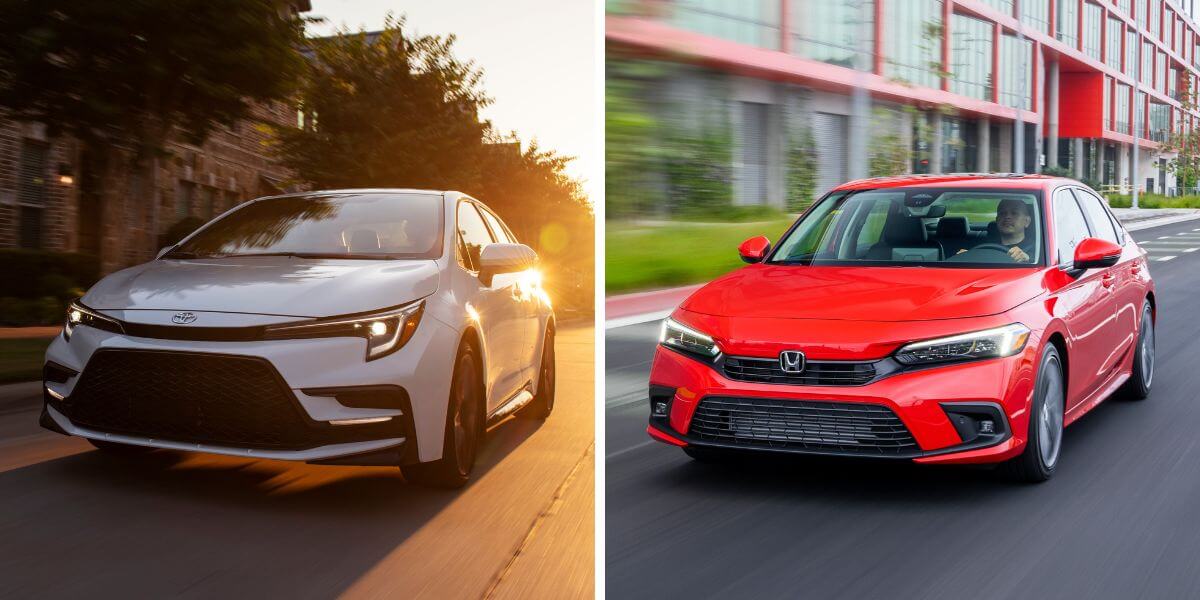
- Toyota Corolla retains ~62% after 5 years.
- Honda Civic retains ~60%.
- Toyota Camry retains ~58%.
- Honda Accord retains ~56%.
- Toyota Tacoma retains 64%+, one of the best in the industry.
Safety and Reliability Connection:
Safety features and crash test results also play into reliability.
- Toyota: Frequent IIHS Top Safety Pick+ ratings.
- Honda: Excellent safety but occasional headlamp and infotainment complaints.
Global Reliability Perspectives:
- North America: Toyota dominates trucks, and Honda is strong in sedans/SUVs.
- Asia: Both brands lead, but Toyota’s hybrids outsell.
- Europe: Honda’s smaller market, Toyota’s hybrids gaining traction.
- Africa & Middle East: Toyota Land Cruiser and Hilux seen as “indestructible.”
The Emotional Factor:
- Toyota = Peace of mind. Like a stable savings account.
- Honda = Excitement. Like investing in a promising stock.
Both deliver reliability, but they appeal differently to the heart.
Best Models for Reliability:
Toyota:
- Corolla
- Camry Hybrid
- RAV4 Hybrid
- Tacoma
- Prius
Honda:
- Civic (non-turbo)
- Accord
- CR-V Hybrid
- Pilot
- Odyssey
Models to Avoid: Toyota vs Honda Reliability Guide:

- Toyota: Older Yaris, early 2010s Camry transmissions, some C-HR trims.
- Honda: Certain Civic/CR-V turbos, early-2010s Accord, and late Fit models.
Conclusion:
Toyota edges out Honda in overall Toyota vs Honda Reliability, hybrid leadership, and resale value. Honda stays competitive with lower maintenance costs, sportier handling, and strong SUVs/minivans.
If your goal is maximum longevity, resale value, and worry-free ownership, Toyota is the safer bet. If you prioritize fun-to-drive dynamics with affordable upkeep, Honda is an excellent choice.
Either way, both brands are among the most reliable in the world—delivering cars that offer decades of service, strong resale value, and peace of mind.
FAQs:
1. Which brand lasts longer, Toyota or Honda?
Both brands are known for longevity, with many models crossing 200,000 to 300,000 miles. Toyota vehicles are slightly more conservative in engineering, giving them a small edge in long-term durability, while Hondas balance longevity with sportier performance.
2. Are Toyota cars cheaper to maintain than Honda cars?
Yes, on average, Toyota models have slightly lower annual maintenance costs. Their parts are more widely available and less complex, though Honda vehicles are still considered affordable and cost-effective to maintain compared to other brands.
3. Which has better resale value: Toyota or Honda?
Both brands hold value exceptionally well. Toyota often leads in hybrid and SUV segments, while Honda’s Civic and Accord retain strong resale prices. Buyers looking for maximum resale security usually favor Toyota.
4. Do Toyota or Honda cars have fewer recalls?
Toyota generally experiences fewer large-scale recalls than Honda, largely due to its conservative engineering approach. However, both companies address recalls responsibly, and overall reliability remains high for both.
5. Which brand is better for families: Toyota vs Honda Reliability?
Toyota emphasizes safety and practicality, making it a strong choice for families who value dependability. Honda, on the other hand, offers more driving engagement and roomy interiors, which many families also appreciate. The “better” option depends on whether you prefer no-nonsense reliability (Toyota) or a blend of practicality and sporty feel (Honda).
Read More:
Parental Opt-Out Rights in Education: A Complete Guide
How to Tell If Eggs Are Bad: The Ultimate Guide
What to Pack for Your Europe Trip: The Ultimate Europe Packing List
Virtual Meeting Etiquette: Essential Rules for Professional Online Communication
United Airlines Flight UA770 Emergency Diversion: A Complete Story